

If flow wrap confuses you when suppliers quote pillow machines, this guide explains flow wrap packaging, its process, and its best uses.
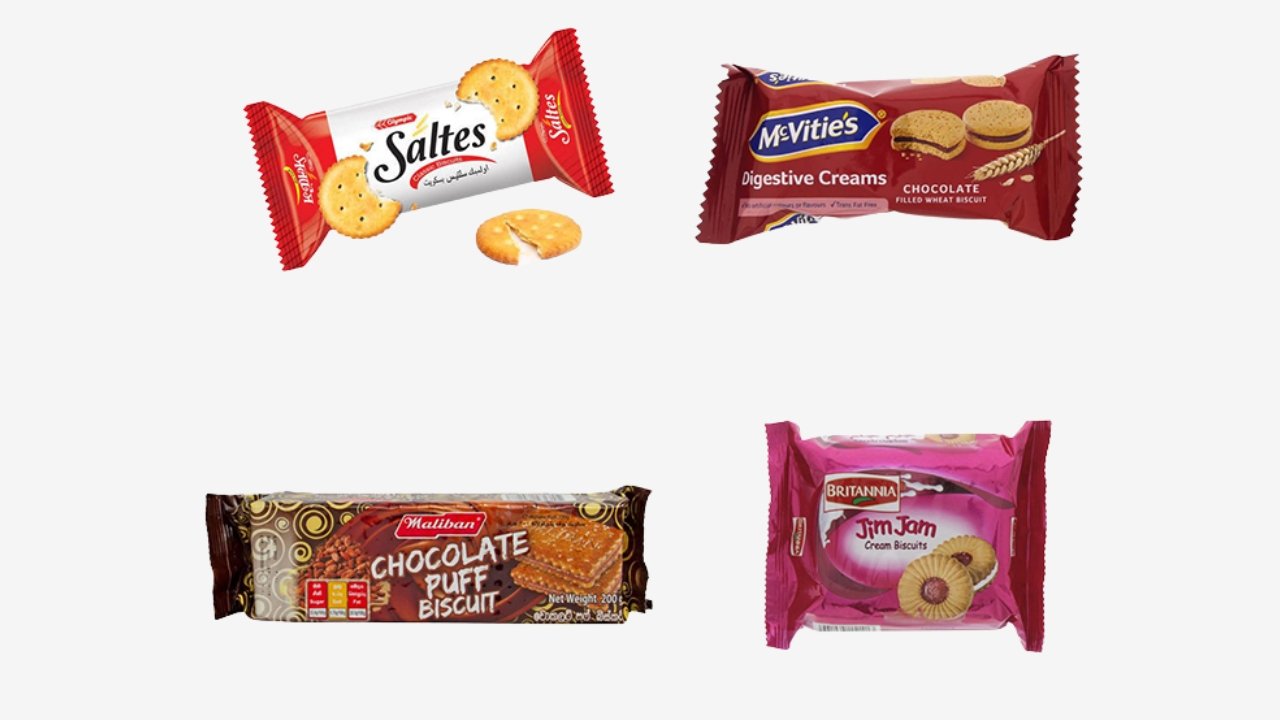
Flow wrap packaging wraps products in a continuous film tube. The film seals along the back and at both ends. Each pack looks like a small pillow.
This is why buyers also call it pillow packaging. A flow wrapper and a pillow packing machine are the same machine type. The names differ only by region and industry habit.
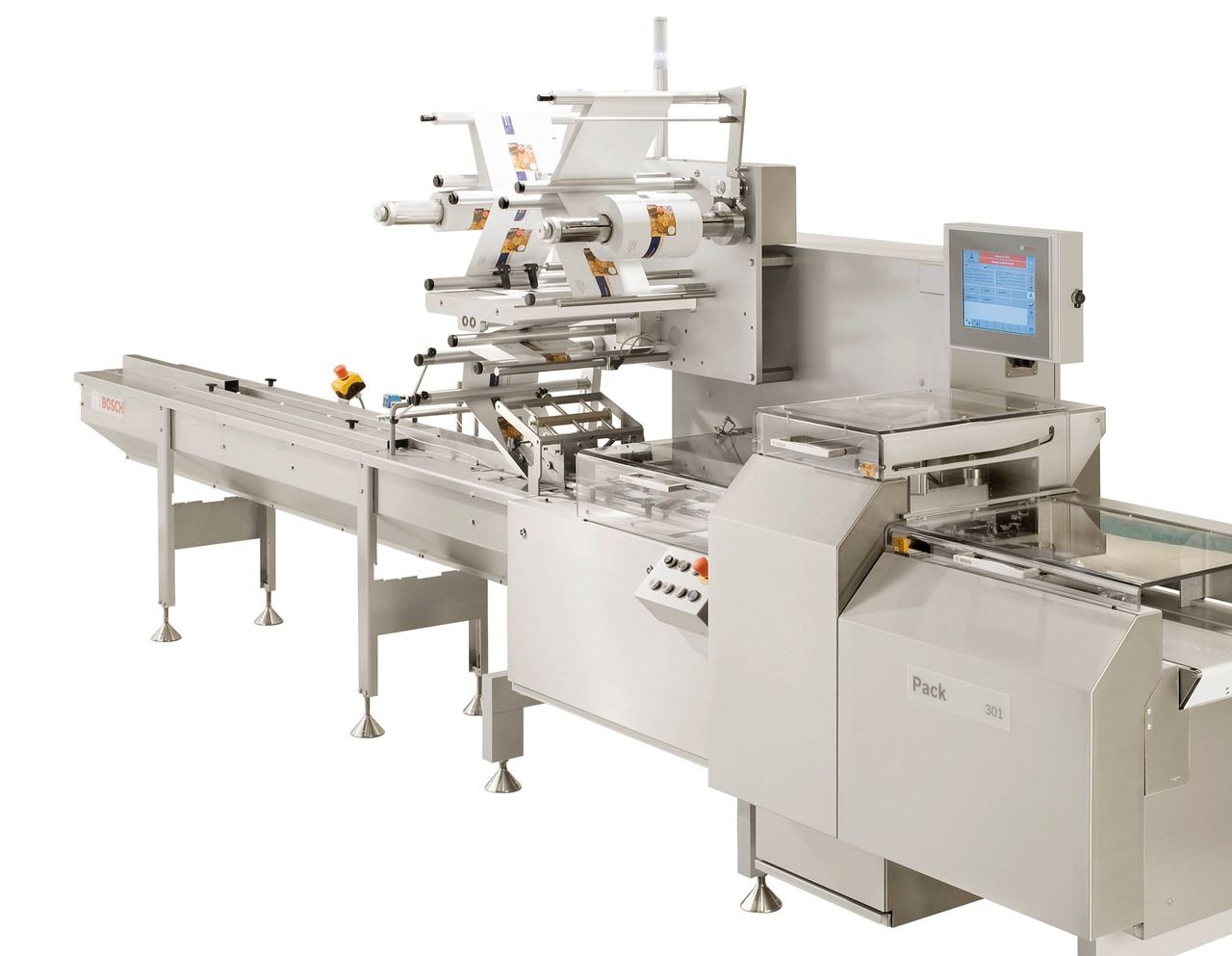
First, the film feeds from a roll under the forming box. The forming box folds the film around each product. Then a center seal closes the film tube along the back.
Next, heated end-seal jaws close and cut each pack. Finally, packed products exit on a discharge conveyor. Servo controls keep film tension and seal position stable.
LINK builds flow wrappers for these line speeds. The horizon flow wrapping machine for croissants suits bakery products. Browse the pillow packing machine range for other models.
Flow wrap suits solid products with regular shapes. The product must slide along the film without breaking. Fragile items need gentle feeding and slower speeds.
Biscuits, bread, and bars are classic examples. Soap bars and sponges also wrap well. Each product enters the film tube one by one.
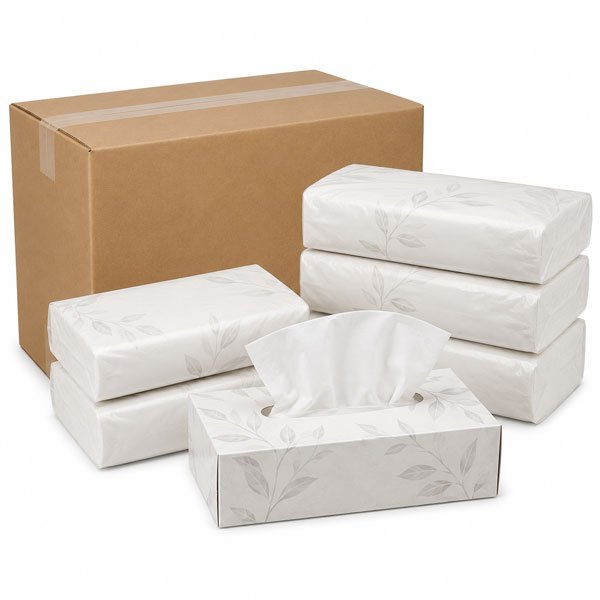
Flow wrap also packs grouped products. Examples include multi-pack tissues and bundled hardware parts. A grouping conveyor arranges the set before wrapping.
Flow wrap runs fast. Modern servo machines reach up to 300 packs per minute. This speed suits snack and bakery lines well.
Film costs less than pre-made bags. Changeover is also quick between product sizes. Operators adjust guides and seal settings in minutes.
The sealed pack protects against dust and moisture. Print registration keeps branding aligned on every pack. Retailers favor the clean, flat pillow shape.
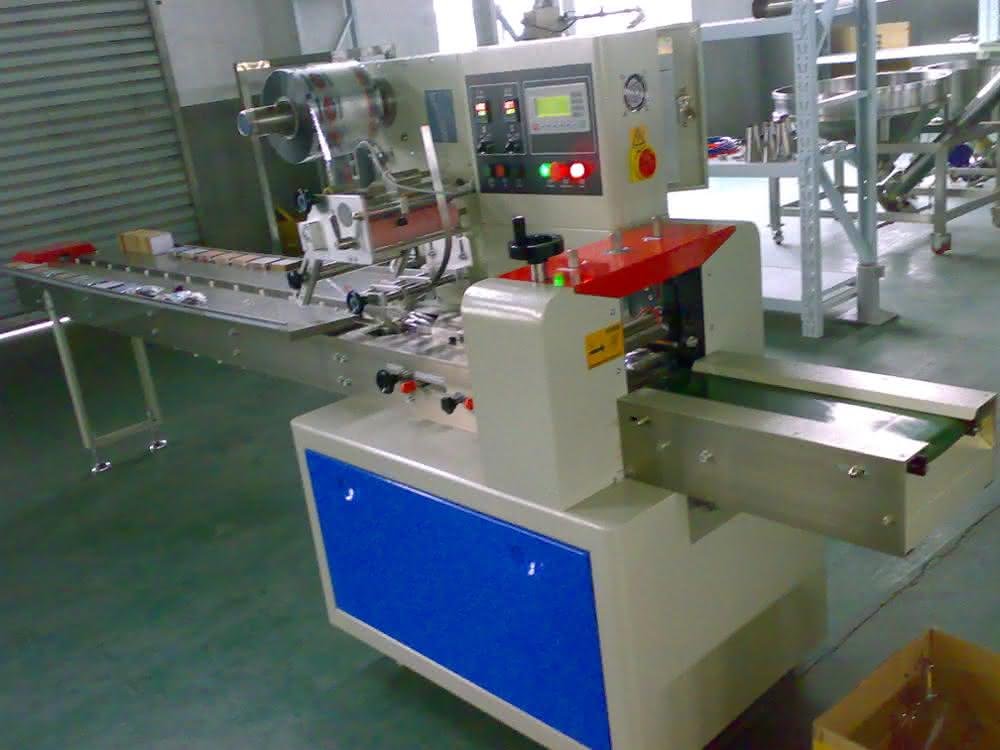
Ready to add flow wrap to your line? LINK designs flow wrap packaging machines for food and daily product factories. Contact our engineers for a tailored solution.
Q: What is the difference between flow wrap and shrink wrap?
A: Flow wrap uses 20 to 35 micron BOPP film and no heat tunnel; shrink wrap tightens under heat.
Q: Can flow wrap machines flush nitrogen?
A: Yes. Nitrogen flushing cuts residual oxygen below 2%, extending flow wrap shelf life.
Q: What film does flow wrap use?
A: Common flow wrap films are BOPP and CPP at 20 to 35 microns, plus laminated barrier films.
Q: Can flow wrap packaging include date and batch codes?
A: Yes. A coder prints date and batch marks at line speed, up to 300 packs per minute.
Q: Can flow wrap packaging handle frozen food products?
A: Yes. Low-temperature flow wrap films stay flexible and seal well down to -18°C storage.
Q: How do you maintain a flow wrap packaging machine?
A: Clean seal jaws daily, check tension weekly, and keep jaw heat at 110 to 150°C.

O email : Molly@xmlk-machine.com
Envia-nos um email
Room 810, No. 35-2 Xinjing Road, Haicang, Xiamen, Fujian, China
Nosso endereço
Tel : +86 18150150881
Whatsapp : +8618150150881
ligue para nós


 português
 English
 français
 ไทย
